Technical guides
Destoner Will Not Discharge Stones, or Stones Come Back in the Grain: Four Common Causes
Poor stone discharge and stones carried back into the grain look like two faults, but on site they are usually the same set of causes showing up in different wa
How to Choose a Suction Type Destoner: A Destoner Is Not One More Screen
Stones of similar size to grain pass through a screen, and they are far too heavy for air classification to lift. They sit in between, so separation has to rely
How to Choose a Bagging Scale: Why Granular and Powder Material Cannot Share One Design
Both look like filling material into bags, but granular and powder material behave quite differently on site. Granular material feeds smoothly by its own weight
Bagging Scale Accuracy Drifting? First Decide Whether It Is the Scale or the Material
When a bagging scale 'runs inaccurate', that single phrase hides two completely different problems: the weighing system itself, and variation in the material. M
How to Configure Dust Collection for Grain Cleaning Lines: Hoods, Ductwork and the Collector
Get the dust collection wrong and the money is spent while the workshop still chokes. The cause is usually not the collector itself but the order of configurati
Cleaning Machine Short on Capacity or Not Cleaning Well? Check These 6 Points on Site
'This machine cannot do the job' is the wrong call on grain cleaning equipment about seven or eight times out of ten. The real cause usually sits in one of six
How to Locate the Capacity Bottleneck on a Cleaning Line: Feed, Bed Depth and Downstream Waiting
A large share of what gets called a capacity shortfall is a false bottleneck: feed that is not even, a screen surface in poor condition, air volume that never a
Screen Mesh Tearing or Blinding? Read Where It Breaks, Then Check Tension and Cleaning Balls
Tearing and blinding are faults in opposite directions, fixed in opposite ways. A tear usually is not the mesh: check tension, clamping strips, cross beams and
Bucket Elevator Plugging, Backflow or Chain Noise? Check in This Order, Do Not Open It Up First
When a bucket elevator stops, trips or starts sounding wrong, the first reflex is to open the casing and tighten the chain. The real cause usually sits between
Belt Conveyor Misalignment, Slippage or Spillage? Tell Mechanical Drift From Material-Flow Drift First
Misalignment, slippage and spillage are three different faults, but the logic for judging them is the same: run the belt empty once, then run it loaded and look
Grain Cleaner or Gravity Separator? Start With the Impurities, Then Ask About Grading
A wrong choice shows up in the one column people skip: what the machine is not good at. A grain cleaning machine cannot take out stones of similar size to grain
Why a Quote for Cleaning Equipment Needs These 5 Parameters
No parameters, no quote - not because we will not quote, but because the number cannot be compared. Impurity content and impurity type, moisture, output, clear
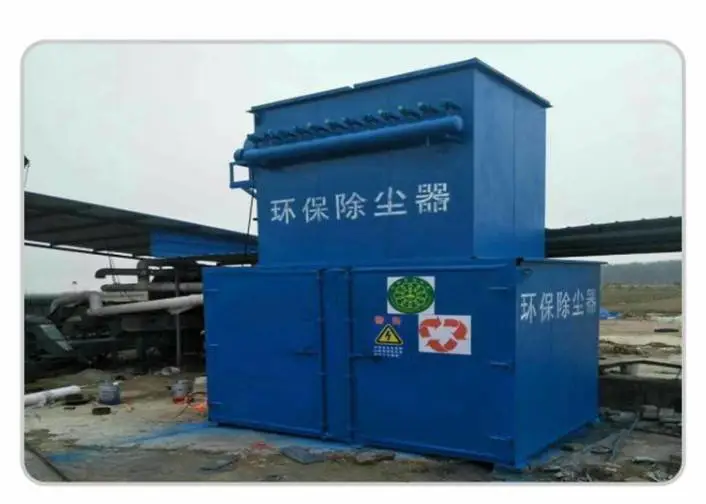
Dust Control on a Grain Cleaning Line: Hoods, Ducting and the Collector
Dust control on a grain cleaning line is three decisions, not one purchase: where the hoods go, how the ducting is sized, and what the collector has to handle.
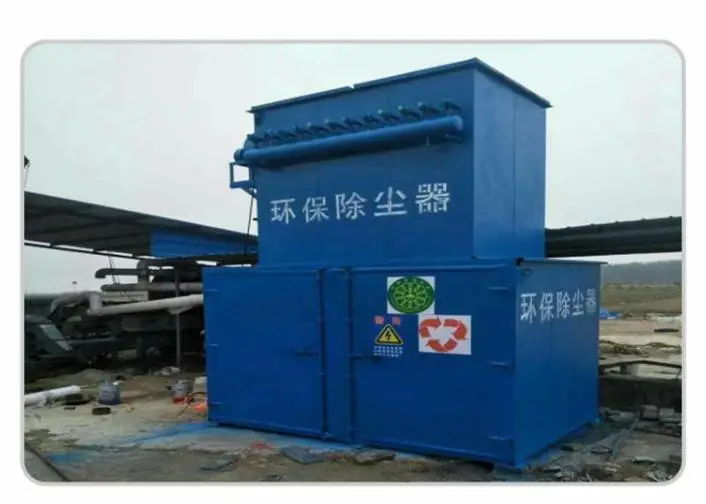
Grain Packing Line Layout: Elevator, Conveyor and Dust Control
A packing line is a system, not a machine. How the elevator, conveyor, bagging scale and dust collector fit together — and the layout mistakes that cost the mos
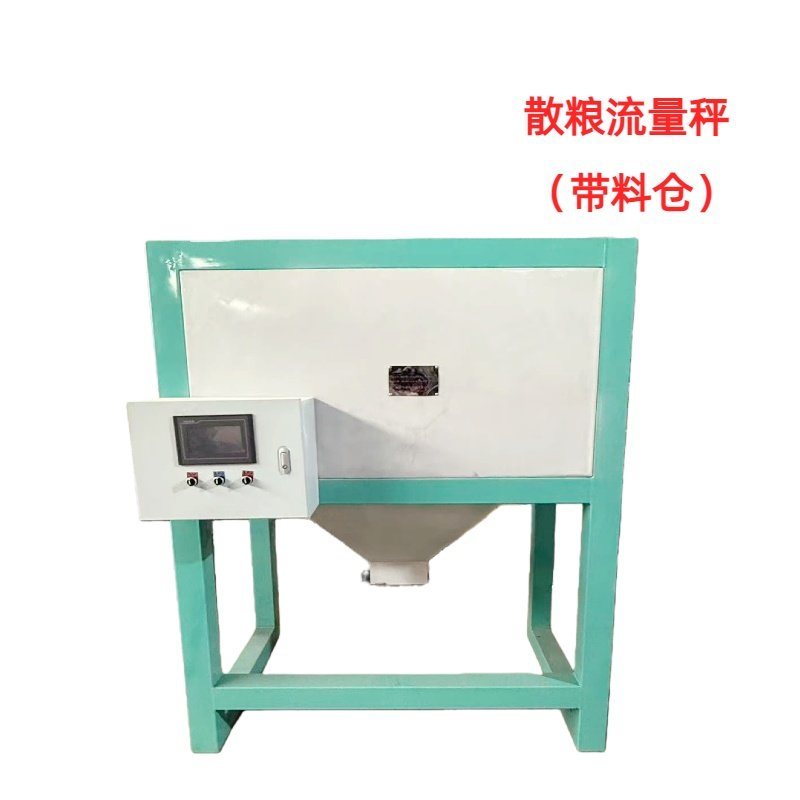
Bagging Machine Buying Guide: Pneumatic or Electric, Single or Dual Position
How to choose a bagging machine on the four variables that actually matter — material, bag, bags per hour and head height — and when a second operator position
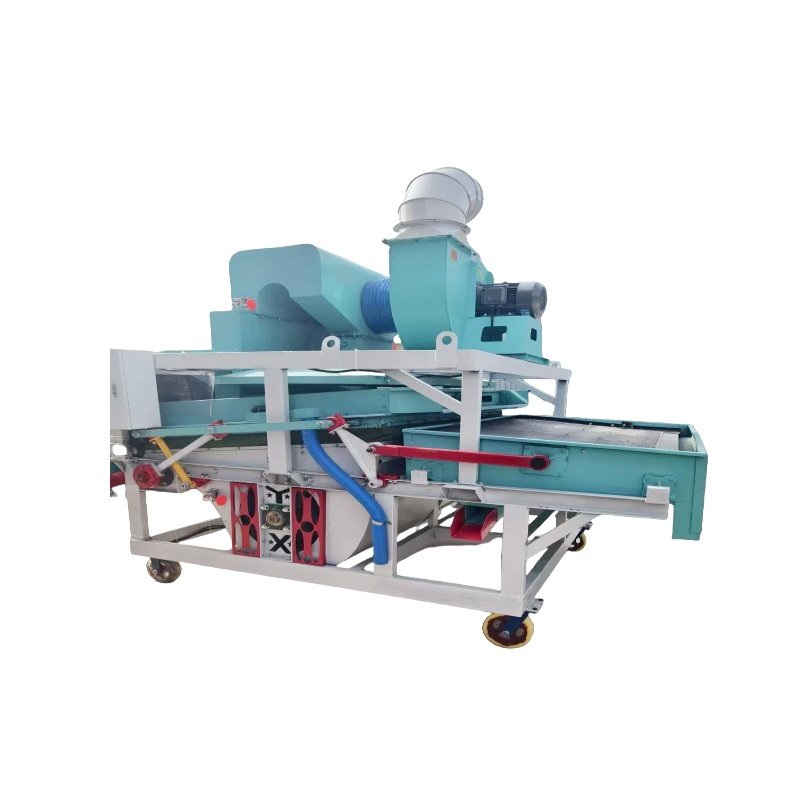
Rice Milling Line: Which Cleaning Machines You Need Before Husking
Paddy arrives with straw, stones, mud and immature grains. Here is what each cleaning stage removes before the husker, and what happens downstream if you skip o
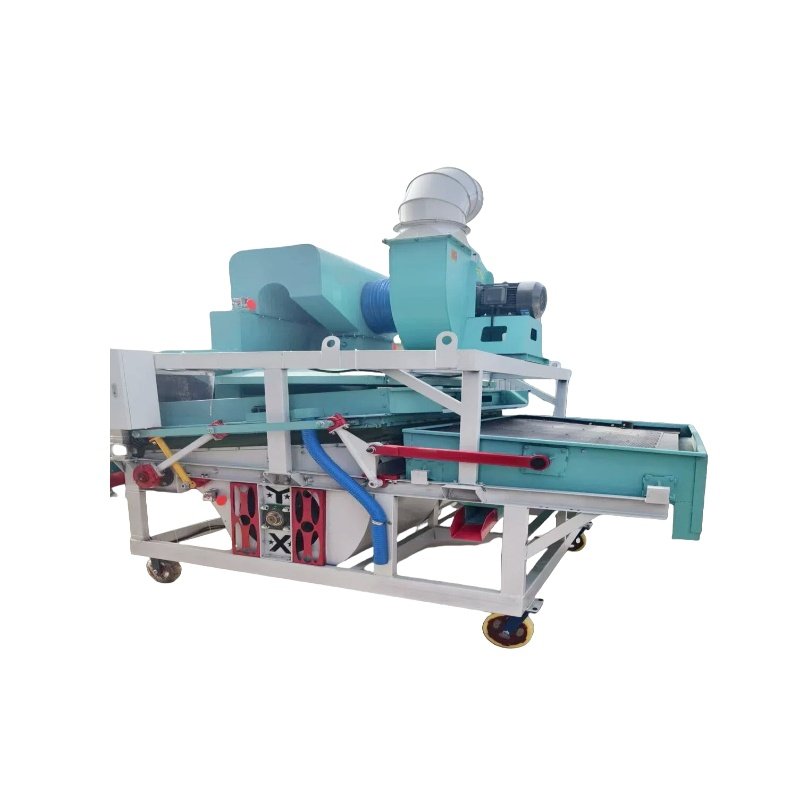
Destoner vs Gravity Separator: What Each Machine Actually Removes
Stones or damaged kernels? The two machines look similar and do completely different jobs. Here is the difference, why the order in the line matters, and how to
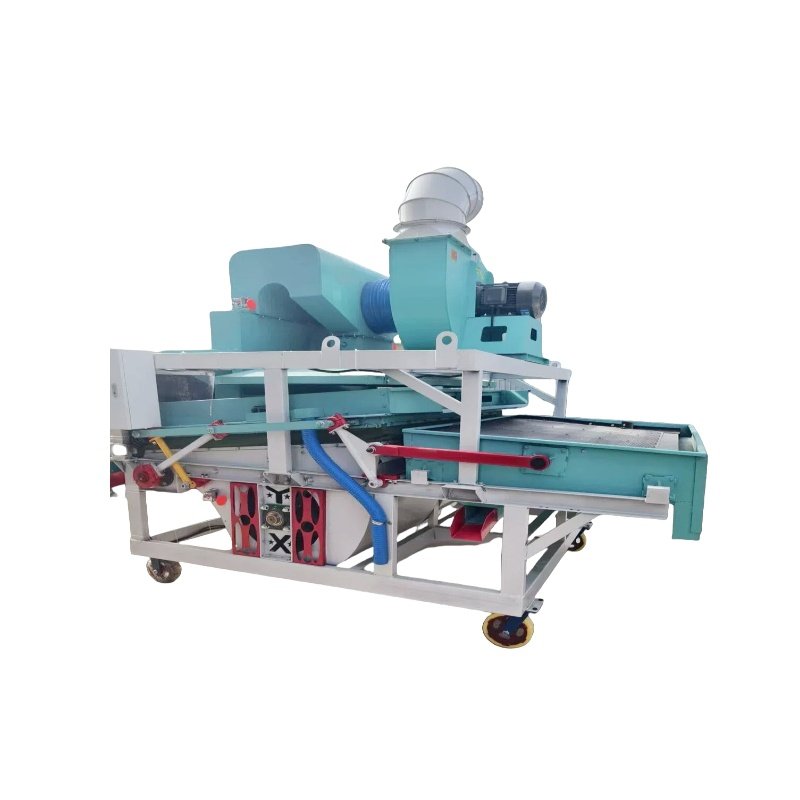
How to Choose a Gravity Separator for Grain and Seed
Deck size, air control, single or double deck, and the four test results that tell you whether a gravity separator will actually solve your problem — a buyer's
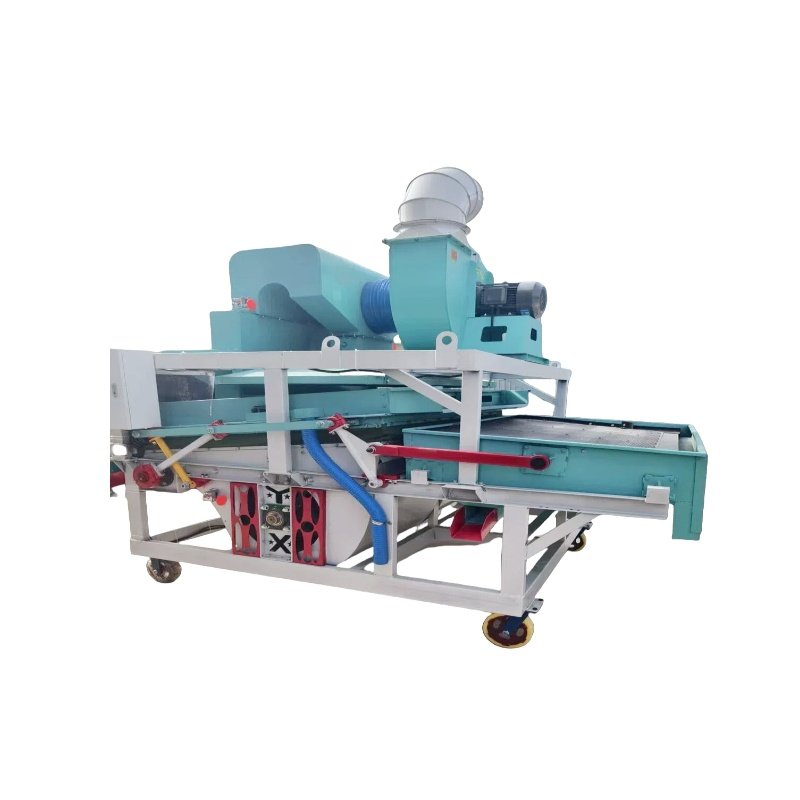
Grain Cleaning Machine Types: How to Choose the Right One for Your Line
A practical breakdown of the five machine types used in a grain cleaning line — air-screen cleaner, destoner, gravity separator, magnetic separator and dust col
Container Loading and Site Assembly of a Cleaning Line: A Buyer Checklist
The expensive surprises on a grain cleaning project rarely come from the machines. They come from a module that will not fit through the doorway, a fan fitted t
Electrical Details to Confirm Before Grain Cleaning Equipment Is Shipped
A cleaning line is built for one supply, and a mismatch stays invisible until an electrician is standing at the panel with the equipment already unloaded. This
Spare Parts to Hold for a Grain Cleaning Line and How to Identify Them
A spare-parts store is judged by what it prevents, not by how full it is. This article shows how to build a stocking list from the line itself, separating the i
Commissioning a Grain Cleaning Line: The Sequence From Empty to Stable Run
Commissioning works when it follows a fixed order, because each step hands the next one a known starting point. This article sets out that order for a grain cle
Where Magnetic Separators Belong in a Grain Line and When to Clean Them
How many magnetic separators a grain line needs is decided by where tramp iron can enter and where the plant itself generates it, not by how strict the specific
Choosing Screen Perforation and Mesh for a Crop and Its Impurities
Screen perforation is chosen from the impurity list, not from the crop name, because screening separates material by size and by nothing else. This article expl
Setting Air Volume on an Air-Screen Cleaner Without Instruments
Air volume can be set without instruments by reading three things at once: the material stream on the deck, the state of the bed, and what leaves the light-frac
How Grain Moisture and Surface Condition Change Cleaning Results
Cleaning separates impurities by size, density, shape and magnetism; it does not take water out of the kernel. This article describes how surface moisture chang
Seed Cleaning and Commercial Grain Cleaning: Where the Lines Differ
A seed line and a commercial grain line use the same equipment vocabulary and are specified against different targets. This article sets out the differences tha
A Pre-Season Changeover Routine for a Grain Cleaning Line
Cleaning lines usually fail through neglected small items rather than wear out. This article gives a pre-season changeover routine in a deliberate order: isolat
Why Cleaning Paddy Before Husking Decides a Rice Mill's Costs
In a rice mill the husker gets blamed for wear and breakage that started upstream. This article sets out what the cleaning stage ahead of husking has to remove,
Cleaning Maize at Intake: What to Remove Before Drying and Storage
Maize arrives with cobs, stalks, chaff, fines and broken kernels. Binned as it comes, the drying and storage decisions are made for you. This article explains w
Laying Out a Wheat Cleaning Line: Machine Order and Why It Matters
Machine order decides whether a wheat cleaning line produces a stable sample or quietly wears itself out. This article sets out a sequence that works, from coar
Bucket Elevator and Belt Conveyor Safety Points Buyers Must Plan
Guarding, access, stop logic and belt tracking are decided when a line is ordered, not after it runs. This article lists what an overseas buyer should have cove
Ordering a Grain Cleaning Line from Overseas: Buyer Preparation
Much of the cost of an overseas order that goes wrong is not the machines. It is what was not settled before manufacture. This article sets out what a buyer sho
Tell us the material and the rate
Send the material, the hourly rate, the target cleanliness and the site conditions. We reply with what is still missing before a real price.
Request a quote